
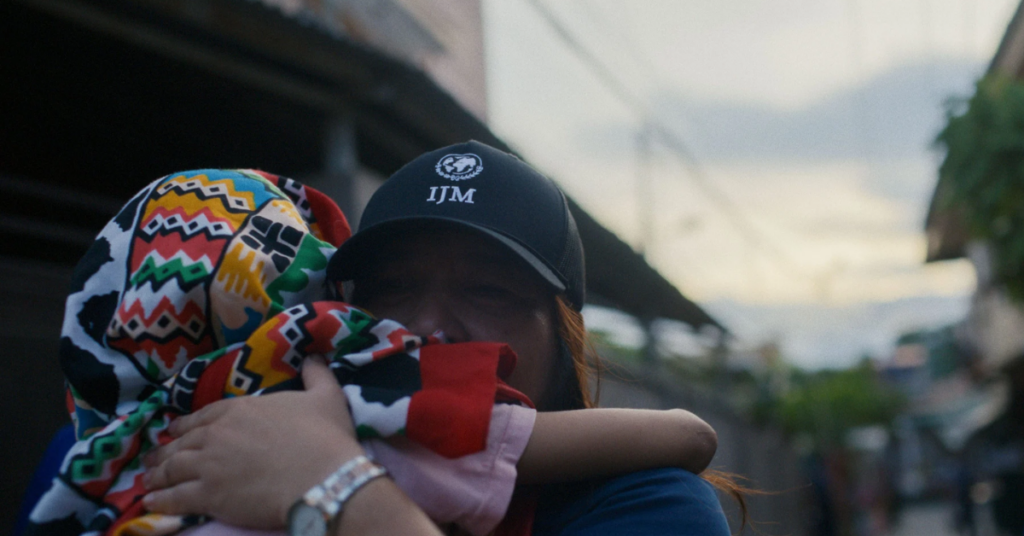
By: International Justice Mission (IJM)
Online sexual exploitation is one of the fastest-growing forms of child exploitation, and it is not a distant problem.
Australia is the third top source country for payments to the Philippines relating to online sexual exploitation of children.1 Children are being sexually abused on everyday platforms and devices. Some of the worst harm to children is livestreamed in private spaces like video calls and secure messaging apps.
Here are four myths about technology & child protection – and the truth you need to know about the progress being made.
Myth 1: The technology to block child abuse material doesn’t exist.
Not only does the technology already exist – it works. AI-driven, on-device technology now exists that can detect and disrupt livestreamed child sexual abuse in real time. What does this mean?
- Abuse can be detected and disrupted in real time, even during livestreams
- Some tools are already in use today.
Since 2016, our team has worked in the Philippines to combat online exploitation. We’ve walked with many survivors, and we know how profoundly prevention could change a child’s life. Imagine how many children worldwide would be protected if this technology were on every device.
Hear from Sharon Purcey, SafeToNet’s Co-Founder, on how this groundbreaking new technology works.
Myth 2: I will lose privacy on my device.
Privacy and protection can coexist.
When it comes to keeping children safe online, many people naturally worry that stronger protections may come at the cost of personal privacy. Maybe you have heard someone say:
“If my device is scanned for child abuse material, doesn’t that mean they can read my private messages?”
We hear you. Everyone deserves the right to privacy.
Yet at the same time, we all want children to be safe from harm.
It begs the question. How do we address this?
The good news is that we don’t have to choose – privacy and protection can coexist, and we have seen it work. Sharon shares more.
Myth 3: This is a law enforcement issue, not a tech issue.
Technology can help prevent harm, just like seatbelts can help prevent injury.
Cars are made safer by design – with seatbelts, airbags, and standards we expect every manufacturer to meet. When the everyday digital systems we use are designed without safeguards, children pay the price.
Keeping children safe requires responsibility from technology companies and strong legislation working together. Digital platforms can be designed to detect and block child sexual abuse material before harm spreads.
John Tanagho, Executive Director for IJM’s Center to End Online Sexual Exploitation of Children unpacks this:
Myth 4: This can’t be solved.
Change is possible – harm is not inevitable! Real progress has already been made.
And when governments, companies, and communities act together, even more is possible.
Protecting children online is not unrealistic – it’s achievable when safety is built in by design.
Hear from survivor leader, Barbie:
The good news – this harm is preventable. Right now, Australia is deciding how strong our online safety laws will be. By adding your name, you’re helping call for laws that require tech companies to build in protections that prevent this abuse before it happens.
Article supplied with thanks to IJM
IJM is committed to protecting the dignity, privacy and safety of vulnerable people. Names, details and images may be changed or represented by actors to protect identities. All stories and images are used with informed consent and safeguarding practices.
Feature image: Supplied (IJM )